- Beginner
The Best Yarn for Crochet Beginners
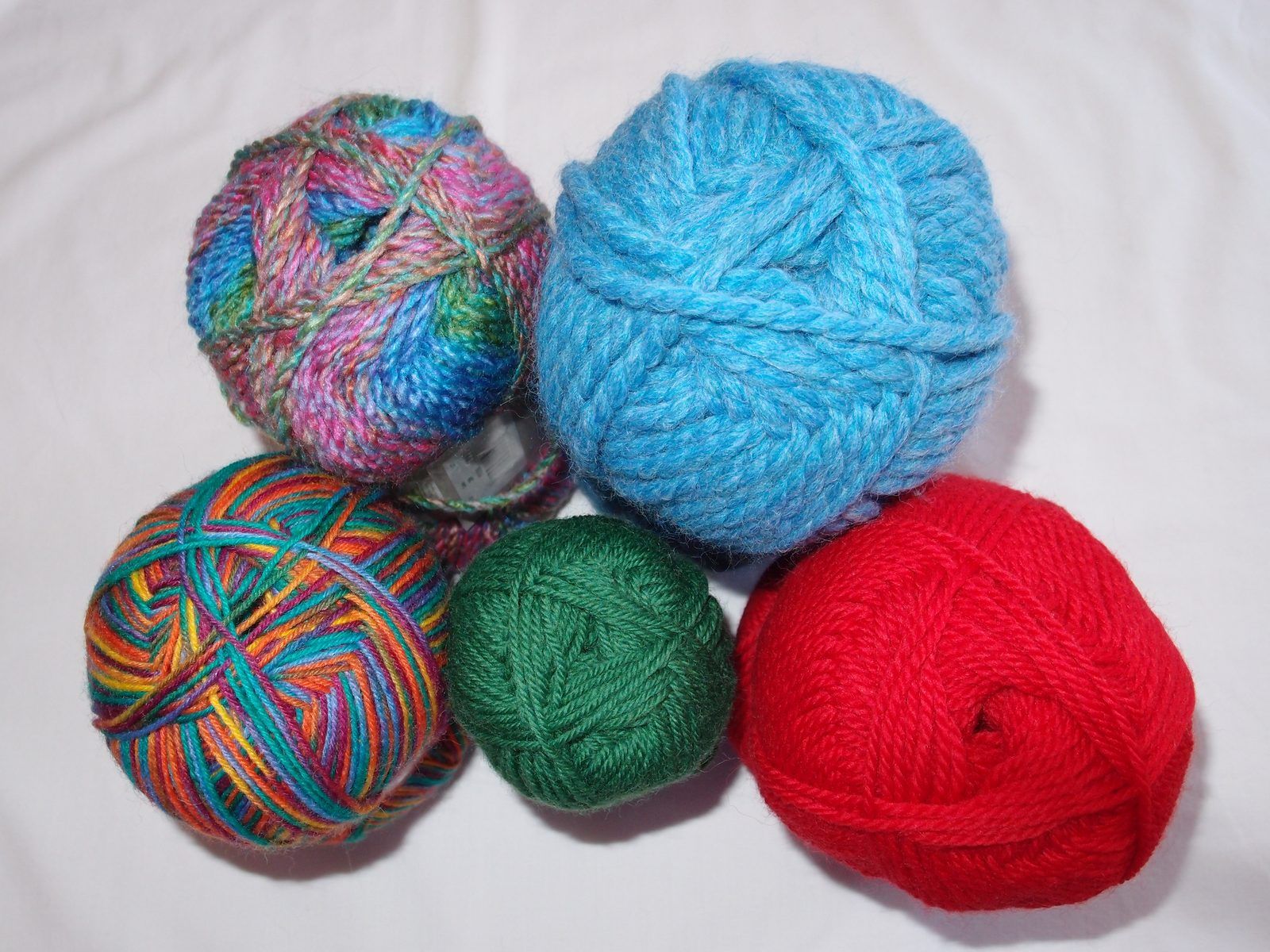

The yarn you learn with matters more than most beginners expect. The right yarn makes stitches easy to see and count, slides smoothly on the hook, and forgives a few rip-outs. The wrong one (fuzzy, dark, splitty or very thin) can make a simple stitch feel impossible. Here’s how to choose a first yarn with confidence, whatever brand your local store carries.
The short answer
For your first projects, look for:
- Weight: worsted, also labeled “medium” or #4 (aran in the UK is close but slightly thicker)
- Fiber: acrylic or cotton (or a blend)
- Texture: smooth, tightly twisted, not fuzzy or textured
- Color: light or bright solid; avoid black, navy and dark brown
- Hook: the size recommended on the label, usually 5 mm (US H-8) for worsted
Reading a yarn label
Most yarn labels list the same key information:
| Label item | What it tells you | What to look for as a beginner |
|---|---|---|
| Weight number / name | Thickness (0 Lace to 7 Jumbo) | #4 medium / worsted |
| Fiber content | What it’s made of | Acrylic, cotton, or blends |
| Recommended hook | Hook size the yarn was designed for | Around 5–5.5 mm (H-8 to I-9) |
| Yardage / meters | Length in the ball | Enough for your project, plus a little spare |
| Gauge | Stitches per 4 in / 10 cm | Useful later for patterns |
| Care symbols | Washing and drying | Machine-washable is convenient |
| Dye lot | Color batch | Buy all you need from the same lot |
Tip: Keep the label from every ball you buy. If you need more of the same yarn, you’ll want the brand, color name and dye lot.
Why worsted weight?
Worsted is the middle of the range. It’s thick enough that each stitch is easy to see and count, and thin enough that it still feels natural in your hands. Thinner yarns (sport, fingering) hide mistakes in tiny stitches; very thick yarns (bulky, super bulky) can be hard to pull through and make it difficult to see where the hook goes.
Fiber: acrylic vs. cotton vs. wool
Acrylic
- Pros: affordable, widely available, comes in every color, machine-washable, a little stretchy so it’s forgiving of uneven tension.
- Cons: can split if loosely twisted; not ideal for items near heat (pot holders) because it can melt.
- Best for: practice swatches, blankets, scarves, amigurumi.
Cotton
- Pros: shows stitch definition beautifully, sturdy, absorbent, great for dishcloths and coasters.
- Cons: no stretch, so it can be tiring on the hands and less forgiving of tension; some cottons split.
- Best for: dishcloths, coasters, market bags, summer items.
Wool
- Pros: springy and forgiving, warm, frogs (unravels) easily for redoing work.
- Cons: costs more, may need hand washing unless labeled “superwash,” and some people find it itchy.
- Best for: hats, mittens and garments once you have some practice.
Blends (for example, cotton-acrylic) often combine the best of each: soft, easy to care for, and less prone to splitting.
Yarns to avoid at first
- Fuzzy or eyelash yarns, mohair and boucle: you can’t see where to put the hook.
- Chenille and velvet yarns: slippery, hard to see stitches, and they can “worm” out of the fabric.
- Very dark colors: stitches disappear, especially in evening light.
- Loosely plied yarns: the hook catches individual strands and splits the yarn.
- Very thin yarn and thread: tiny stitches are hard to count and slow to grow.
- Variegated yarns (many colors): beautiful, but they can make stitches harder to read while you’re learning.
How to test a yarn in the store
- Look closely at the strand. You should see clear, even twists.
- Untwist a little end. If it falls apart into loose fibers immediately, it will likely split.
- Squeeze the ball. Soft and smooth is better than stiff or scratchy.
- Check the label for a hook size around 5 mm.
Matching yarn to your first projects
| Project | Suggested yarn |
|---|---|
| Practice swatches | Worsted acrylic, light solid color |
| Dishcloth or coaster | Worsted 100% cotton |
| Granny squares | Worsted acrylic or cotton-acrylic blend |
| Scarf | Worsted acrylic or soft wool blend |
| Amigurumi | Worsted acrylic or cotton with a smaller hook than the label suggests |
How much to buy
For practice, one ball is plenty. For a project, use the yardage the pattern gives, not the number of balls (ball sizes differ by brand), and buy a little extra from the same dye lot.
FAQ
Is acrylic or cotton better for beginners?
Both work. Acrylic is more forgiving because it stretches a little; cotton shows stitches clearly but has no give. If you’re unsure, start with acrylic for practice and use cotton for kitchen projects.
What size hook should a beginner use?
Use the hook recommended on your yarn’s label. For most worsted yarns that’s 5 mm (US H-8) or 5.5 mm (US I-9).
What is the difference between worsted and aran?
Both are medium weights. Aran is slightly thicker than US worsted, and many yarns sit on the line between them. For beginner projects they’re often interchangeable; check your gauge if fit matters.
Can I learn with chunky yarn?
You can, and it grows quickly. Choose a smooth bulky (#5) yarn, not a super-soft “chenille-style” one, and use the hook size on the label.